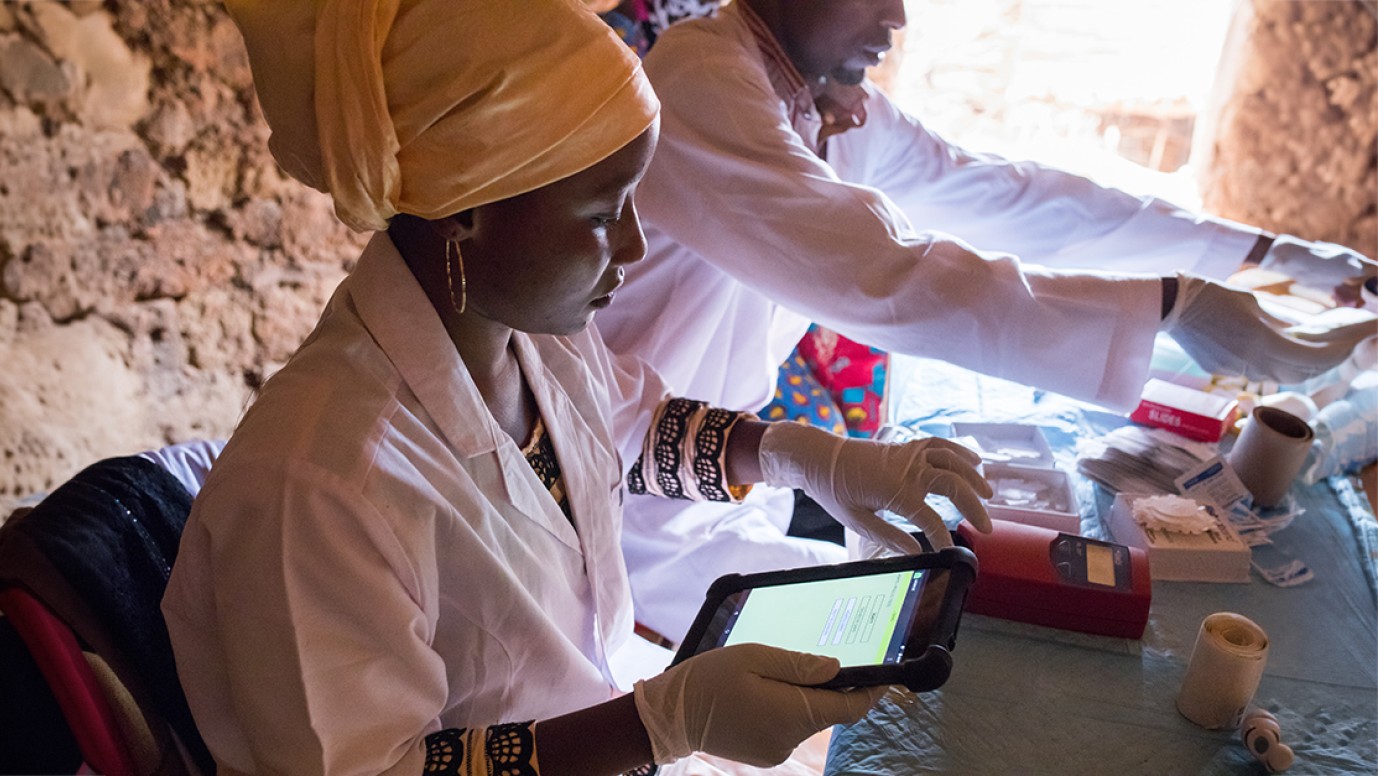
A new set of diagnostic priorities is sharpening focus on one of global health’s most stubborn problems: people often need answers long before a central laboratory can provide them. The document highlights cost-disruptive tools for diagnosis and screening that could make testing faster, cheaper, and easier to use close to the patient, especially in low- and middle-income countries. The biggest opportunities span sexually transmitted infections, maternal and newborn health, and enteric diseases such as typhoid and cholera. Across these areas, the goal is not simply better technology on paper, but practical tools that can guide treatment during the same visit, support outbreak response, and improve public-health surveillance. Many of the proposed products are point-of-care diagnostics, meaning tests designed to be used where care is delivered rather than in a distant lab. Others focus on multiplex and environmental platforms that can look for several pathogens at once, giving health systems a wider view of what is circulating. Taken together, the priorities sketch a roadmap for diagnostics that reduce delay, cut cost, and help clinicians and public-health teams act sooner. They also show that in infectious disease control, the most valuable innovation is often not a brand-new idea, but a tool that fits real-world clinics, communities, and outbreak settings.
Testing that works in the same visit
One major opportunity is better near-patient testing for sexually transmitted infections, or STIs. The source calls for point-of-care diagnostics for gonorrhea, chlamydia, and trichomonas in symptomatic adults, aiming to give actionable results without sending samples away and waiting days for an answer.
That matters because treatment decisions often happen in a narrow window. If a patient must return later for results, many never come back, which can leave infections untreated and continue transmission in the community.
Sharper tools for syphilis and cervical screening
The priorities also emphasize point-of-care tests for active adult and congenital syphilis. For these tools, the performance targets are explicit: at least 90% sensitivity and at least 95% specificity, including use in neonates to inform treatment.
Sensitivity is a test’s ability to catch true cases, while specificity reflects how well it avoids false alarms. In everyday terms, sensitivity helps make sure you do not miss the fire, and specificity helps make sure you are not pulling the alarm when there is only steam.
Another highlighted need is primary screening for high-risk human papillomavirus, or HPV, using point-of-care tools that can support same-visit screen-and-treat programs for cervical precancer. The source sets a high bar here too: at least 95% sensitivity for CIN2+, meaning more serious precancerous cervical changes, and at least 99% specificity for ≤CIN1, which includes normal tissue or low-grade abnormalities unlikely to need treatment.
Building platforms, not one-off tests
An important thread running through the STI section is the push for platforms that can expand to additional analytes such as bacterial vaginosis, or BV. An analyte is simply the thing a test is looking for, whether that is a pathogen, a protein, or a genetic marker.
This modular approach matters because clinics rarely see one infection at a time. A platform that can be upgraded like adding apps to a phone is usually more useful than a machine built for a single narrow purpose, especially when programs need higher throughput and flexible workflows.
Enteric disease needs faster answers
The source also points to a broad need in enteric diseases, infections that affect the intestinal tract and often spread through contaminated food or water. It notes that typhoid, cholera, and pathogens that cause pediatric diarrhea remain major drivers of illness and death in low- and middle-income countries, while also creating outbreak risks that demand rapid public-health action.
Here, diagnostics serve several jobs at once. They guide clinical care, help protect antibiotics by supporting better antimicrobial stewardship, and inform surveillance and vaccine policy for pathogens that already have vaccines available or in development.
Specific targets for typhoid, Shigella, and polio
Among the clearest product goals is a point-of-care test for acute Salmonella enterica serovar Typhi infection, the bacterium that causes typhoid fever. The desired benchmark is at least 90% sensitivity and 90% specificity, signaling a need for tools that are both accurate and practical enough for frontline use.
The priorities also call for an acute diagnostic for Shigella species that can detect infection accurately during the same patient encounter. That same-encounter requirement is crucial because diarrheal disease can deteriorate quickly, and clinicians often need to decide immediately whether supportive care is enough or whether a targeted response is needed.
For polio, the source highlights a point-of-care stool-based or non-stool diagnostic for live poliovirus that could reduce outbreak confirmation time. In outbreak control, speed changes everything: each day saved can mean earlier containment measures, faster contact tracing, and fewer opportunities for the virus to spread.
Watching populations, not just patients
Not every useful diagnostic sits beside a hospital bed. The document also identifies a need for high-order multiplex serological platforms suitable for nationally representative surveillance across endemic and epidemic pathogens.
Multiplex means one test can search for many targets at once, while serological refers to measuring signals in blood that show past exposure or immune response. Think of it like reading many fingerprints from a single sample: instead of asking whether one germ is present, health officials can build a broader picture of what a population has recently encountered.
Another surveillance-focused opportunity is low-cost multiplex platforms that detect priority pathogens in wastewater or other environmental samples for outbreak detection and early warning. Wastewater monitoring acts like a community thermometer, offering a pooled signal of infection trends before clinics have counted every case individually.
Why This Matters
What ties these opportunities together is not a single disease, but a design philosophy. The source is asking for tests that are accurate enough to trust, cheap enough to deploy widely, and simple enough to use where people actually seek care.
That combination could reshape decision-making in several ways. A same-visit STI or HPV result can reduce loss to follow-up; a better typhoid or Shigella test can sharpen treatment and reduce unnecessary antibiotic use; and faster environmental or serological surveillance can give public-health agencies earlier warning when outbreaks are starting to build.
There is also a strong equity argument behind this agenda. Centralized testing systems tend to work best for people who live near laboratories, can travel, and can return for follow-up, while point-of-care and low-cost surveillance tools are more likely to reach populations that health systems routinely miss.
What comes next
The list reads less like a catalog of existing products and more like a set of technical and programmatic targets for developers, funders, and health agencies. The next step will be turning these performance goals into devices and platforms that can survive real conditions: variable electricity, limited staffing, supply constraints, and the need for rapid scale-up during outbreaks. If those hurdles can be cleared, diagnostics will do more than identify infection. They will become a faster bridge between detection and action, which is exactly where many health systems still lose the most time.