AI-generated summary by biochip.com, published . Not independently reviewed. Source: Biosensors, by Margherita Borriello; Giuseppe Tarabella; Pasquale D’Angelo; Aris Liboà; Mario Barra; Davide Vurro; Patrizia Lombari; Annapaola Coppola; Elvira Mazzella; Alessandra F Perna; Diego Ingrosso.
Lab-on-a-chip devices could make follow-up care much more practical for people with chronic kidney disease, or CKD, by shrinking key lab tests onto small, portable platforms. The source article describes how these systems combine microfluidics—the controlled movement of tiny amounts of liquid through miniature channels—with biosensors that detect specific chemicals or biological signals. In kidney care, that matters because patients often need repeated testing to track how well their kidneys are working, how treatment is affecting them, and whether complications are emerging. Standard testing usually depends on central laboratories, sample transport, and processing steps that take time and can slow clinical decisions. Point-of-care testing, often shortened to POCT, tries to move those measurements closer to the patient, whether in a clinic, dialysis center, or potentially at home. The article argues that this shift could support faster medical decisions, better monitoring, and more active patient participation in long-term care. It also places special emphasis on kidney disease because CKD is complex, tied to cardiovascular risk, and requires repeated measurement of multiple markers rather than a single snapshot. In that sense, lab-on-a-chip is not just about miniaturizing equipment; it is about redesigning follow-up care around speed, accessibility, and continuous management.
Why Kidney Disease Is a Good Fit for Miniaturized Testing
CKD is a long-lasting condition in which the kidneys gradually lose their ability to filter waste and balance fluids and minerals. Managing it means watching a moving target: kidney function, blood chemistry, cardiovascular risk, and the buildup of toxins all change over time.
That makes CKD different from a one-time diagnosis. Clinicians need repeated measurements to guide treatment, adjust medications, and detect worsening disease early, so any technology that reduces delay and makes monitoring easier has an obvious appeal.
What a Lab-on-a-Chip Device Actually Does
A useful way to think about a lab-on-a-chip is as a whole testing bench compressed into something closer to a credit-card-sized system. Instead of sending tubes of blood or other samples through multiple pieces of laboratory equipment, the chip handles tiny sample volumes, routes them through miniature channels, and performs specific measurements on site.
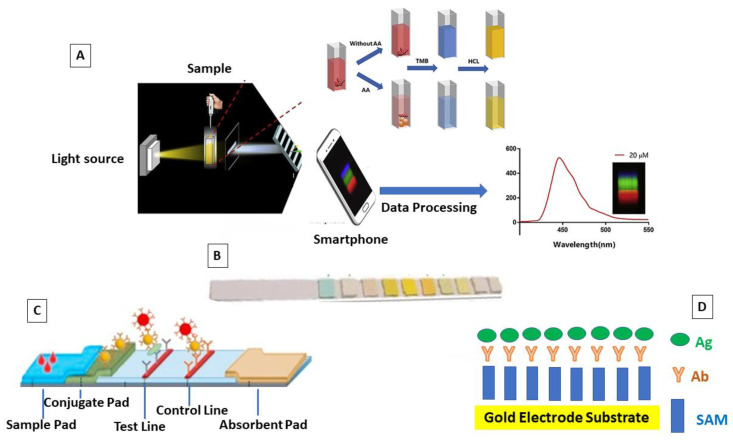
Those measurements can rely on biosensors, which are components designed to recognize a target molecule and turn that recognition into a readable signal. In kidney care, such targets may include markers of filtration, electrolyte balance, or uremic toxins—waste compounds that build up in the body when the kidneys cannot remove them efficiently.
How Point-of-Care Testing Changes the Workflow
The article links lab-on-a-chip systems to POCT because both aim to shorten the path from sample collection to result. In a conventional model, a specimen is collected, labeled, transported, processed, analyzed in a central lab, and then reported back to the clinician, with delays possible at each step.
By cutting out parts of that chain, POCT can provide a faster turnaround time. That matters in practice because a doctor or nurse can respond during the same visit, rather than waiting hours or days to change treatment, order follow-up testing, or address a brewing complication.
Why Speed Matters in CKD Follow-Up
Fast results are not just a convenience for patients with kidney disease. CKD often travels with diabetes, hypertension, anemia, mineral imbalances, and a higher risk of cardiovascular disease, so treatment decisions depend on a lot of data that can shift quickly.
If a portable device can deliver reliable readings at the bedside or in an outpatient setting, it may help clinicians act sooner. That could mean changing dialysis-related decisions, checking treatment adherence, or spotting risk patterns before they lead to hospitalization.
The Promise of Better Patient Engagement
One of the more interesting ideas in the article is that these devices may promote change in how patients participate in their own care. Follow-up for CKD can be burdensome, with repeated visits, frequent blood work, and a care plan that can feel abstract if results arrive later and are discussed separately from the test itself.
Near-patient testing can make the feedback loop more immediate. When people can see test results during the encounter, and those results are directly tied to symptoms, medication changes, or dietary advice, the care process may become easier to understand and easier to follow.
Where the Technology Still Has to Prove Itself
The article presents lab-on-a-chip as promising, but it also points to the importance of quality control assurance. In plain terms, a smaller and faster device is only useful if its measurements are accurate, reproducible, and dependable enough to support medical decisions.
That is a serious issue in kidney care, where small differences in measured values can influence treatment. A point-of-care platform must perform well not only under ideal lab conditions but also in real clinics, where sample handling, user training, and maintenance can all affect results.
Beyond One Marker: A Platform Approach
Another strength of lab-on-a-chip systems is that they are not limited to a single type of test. The source frames them as flexible platforms that can support different analyses, which is especially useful in CKD because clinicians rarely rely on one marker alone.
A patient may need kidney function data, electrolyte measurements, and signals related to cardiovascular risk or toxin accumulation. A miniaturized device that combines several readouts in one place could reduce fragmentation and give clinicians a more complete picture during follow-up.
Why This Matters
The larger significance of this work is that it connects a clever engineering idea to a stubborn clinical problem: how to monitor a chronic, high-risk disease without forcing every decision through a distant laboratory pipeline. For CKD, where care depends on repeated testing and timely adjustment, lab-on-a-chip technology offers a model that is potentially faster, more local, and more responsive.
That does not mean central laboratories disappear, or that every chip-based device is ready for routine use. But the direction is clear: if miniaturized systems can deliver trustworthy measurements for the markers that matter most in kidney disease, they could help turn follow-up from a stop-and-wait process into a more continuous form of care.
The next step is practical validation. Researchers and clinicians will need to show which kidney-related measurements work best on-chip, how those devices compare with standard methods, and whether they actually improve outcomes in real patients. If they do, the most important change may be simple: people with chronic kidney disease could get the right information at the right time, in the same place where care decisions are made.