AI-generated summary by biochip.com, published . Not independently reviewed. Source: Inside Precision Medicine, by Mike May, PhD.
Researchers working on liquid biopsy tests for cancer are trying to solve a simple but stubborn problem: the biological signals they want to measure are often vanishingly rare. In comments highlighted by Inside Precision Medicine, researcher Cinti described the central challenge as detecting tiny amounts of circulating microRNA, or miRNA, in blood while ignoring a noisy background of other molecules. MiRNA are short strands of genetic material that can reflect what tumors are doing, which makes them attractive biomarkers for earlier and less invasive cancer monitoring. But spotting just one meaningful target molecule in a messy sample is a bit like hearing a whisper in a crowded room. The research effort described here turns to nanotechnology and paper-based sensor design to make that whisper easier to hear without building an unwieldy device. The goal is not just sensitivity in a lab demo, but a practical chip that can store reagents, clean up samples, and concentrate scarce targets in one place. If that works, liquid biopsies could become easier to use in real clinical settings, where simplicity matters almost as much as precision.
The Core Problem in Liquid Biopsy
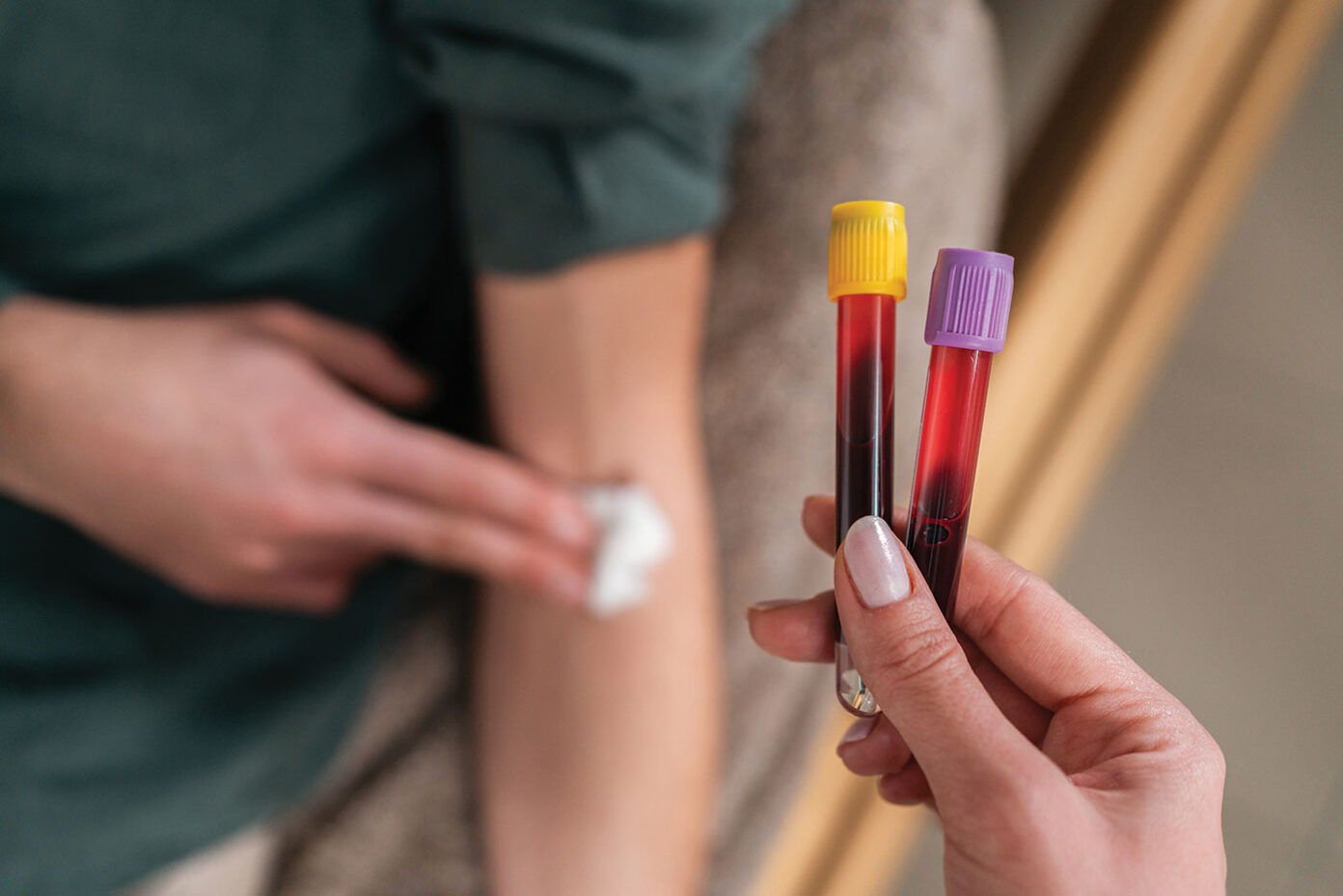
A liquid biopsy aims to detect signs of disease from fluids such as blood rather than from a tissue sample taken in surgery or with a needle. For cancer, that can mean looking for circulating tumor cells, proteins, exosomes, or miRNA that tumors shed into the bloodstream.
The catch is that these signals are often present at extremely low levels. Cinti said the biggest obstacle for a “liquid biopsy on chip” is the small amount of circulating miRNA, a challenge shared by other biomarker types as well.
Why miRNA Is So Hard to Measure
MiRNA are tiny molecules that help regulate gene activity. Because tumors can alter the pattern of miRNA in blood, they can serve as molecular clues about the presence or behavior of cancer.
But useful clues are only valuable if a sensor can find them reliably. In a blood sample, the target miRNA may be buried among many other molecules that can interfere with detection, distort the signal, or simply drown it out.
What Nanotechnology Brings to the Table
Nanotechnology works at the scale of billionths of a meter, where materials can behave differently and interact with biomolecules in very precise ways. In biosensors, nanoscale structures can increase the effective surface area, strengthen signals, and improve the odds that a rare target molecule will be captured and measured.
Cinti framed the job clearly: build highly sensitive architectures that can detect a single molecule of interest within interference, but do so without making the system too complicated. That balance matters because a test that is elegant in theory can still fail if it requires too many steps, expensive equipment, or fragile handling.
Why Paper-Based Sensors Matter
To keep complexity down, Cinti and colleagues use paper-based substrates for their sensors. That may sound low-tech, but paper is a smart material for point-of-care diagnostics because it is porous, inexpensive, lightweight, and easy to shape into small testing platforms.
An everyday analogy is a coffee filter. Just as a filter can let some things pass while trapping others, a porous paper structure can help manage fluids, hold reagents in place, and separate out some unwanted components from a biological sample. In a biosensor, that physical behavior becomes part of the device design rather than just a container for the chemistry.
An All-in-One Platform
According to Cinti, porous paper-based materials can support an all-in-one platform that stores reagents, removes interference, and pre-concentrates real samples. Each of those functions targets a different weakness in liquid biopsy testing.
Reagent storage can simplify how the device is used, since some needed chemicals are already built into the test. Interference removal helps cut down on false signals from unrelated molecules, while pre-concentration boosts the local amount of the target in the sensing area, making a weak signal easier to detect.
Why Simplicity Is a Performance Feature
In medical diagnostics, complexity is not just an engineering inconvenience. Every extra step can create more room for error, longer turnaround times, and higher costs, all of which make it harder to move a device from the bench to the clinic.
That is why the paper-based approach is notable. It treats simplicity as part of performance, not as a compromise. A sensor that combines sample preparation and detection on one chip can be more usable in hospitals, smaller clinics, or settings with limited laboratory infrastructure.
Why This Matters
Better liquid biopsies could give doctors a less invasive way to detect cancer, monitor treatment, and watch for recurrence over time. Instead of relying only on tissue biopsies, which can be painful and difficult to repeat, clinicians could potentially track disease through periodic blood draws.
The promise is especially strong for biomarkers like miRNA, which may offer early molecular signals of change. But that promise depends on solving the sensitivity problem in a way that works outside ideal laboratory conditions. The emphasis from Cinti and colleagues on real samples, interference control, and compact design speaks directly to that gap.
What Comes Next
The source material does not lay out a full clinical roadmap, but it points to the direction the field is moving: devices that are more sensitive, more integrated, and easier to deploy. The hardest part is not proving that a target exists, but building a chip that can find it consistently in the biological clutter of everyday samples.
If nanotechnology and paper-based engineering can keep improving that signal-to-noise balance, liquid biopsy tools may become more practical for routine cancer care. The long-term value will depend on validation in real-world use, but the underlying idea is compelling: make the test small, make it smart, and make rare cancer signals easier to catch.