AI-generated summary by biochip.com, published . Not independently reviewed. Source: Excelsior Bio-System | Allergy Testing & Health Management Solutions.
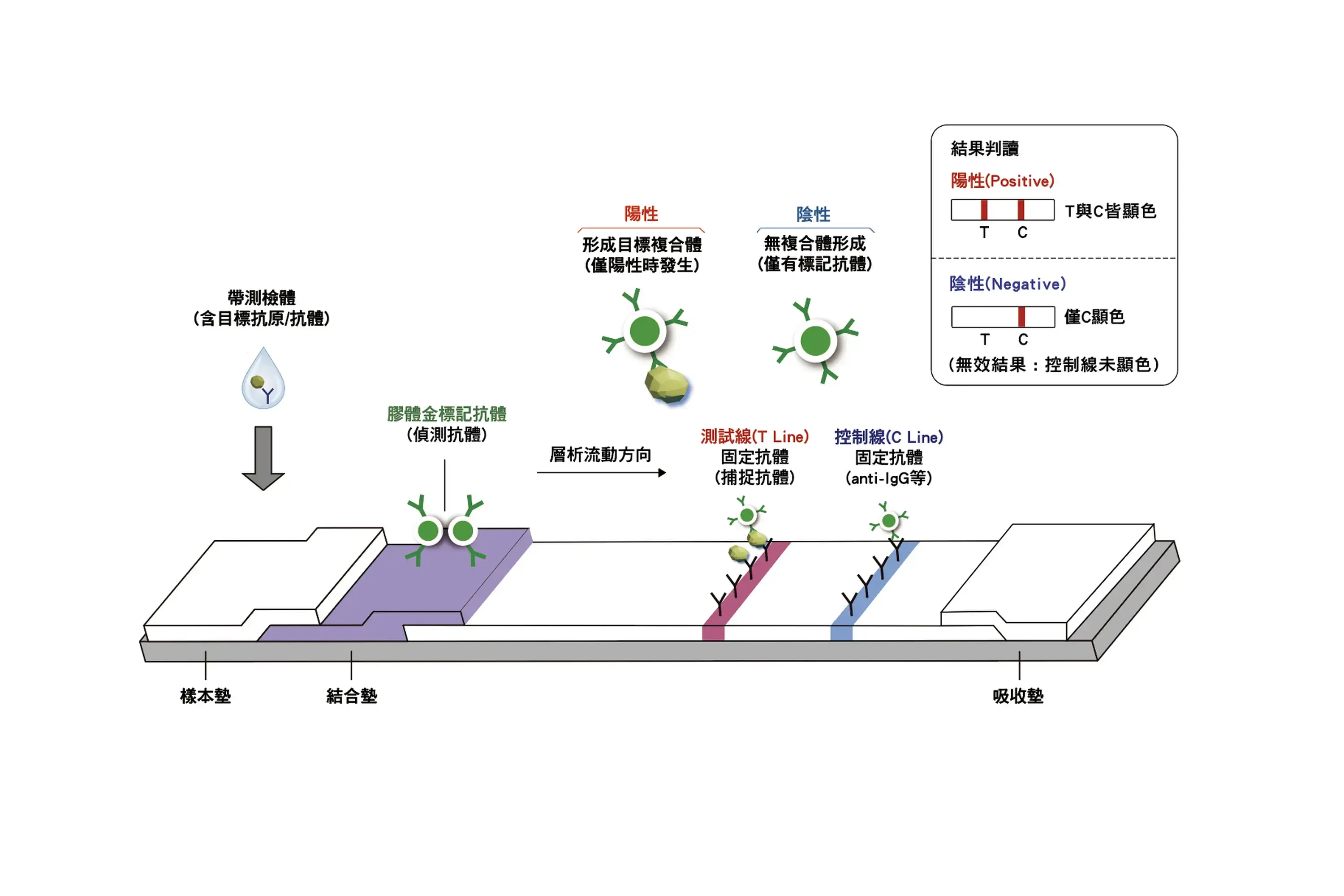
Excelsior Bio-System says its rapid diagnostic test platform is designed for point-of-care testing, meaning tests that can be run near the patient instead of in a central lab. The company presents the platform as a way to deliver preliminary answers within minutes through a simpler workflow than conventional laboratory assays. In practical terms, that puts the technology in the category of quick screening tools used for first-line decision-making, where speed and ease of use matter as much as analytical performance. The source emphasizes that the platform can be adapted to detect several kinds of protein-based targets, including antigens, antibodies, and cytokines. Those are all biological signals that clinicians use to infer whether an infection is present, whether the immune system has responded, or whether inflammation is rising. Rather than describing one specific newly released test, the page outlines the company’s broader development approach for building stable, easy-to-read rapid assays. That makes the story less about a single product launch and more about how a diagnostics company is positioning a reusable testing platform for both human and animal health applications. The bigger idea is straightforward: move useful diagnostic information closer to the moment of care, so screening can happen faster and in more places.
What the Platform Is Meant to Do
The source frames the technology around POCT, short for point-of-care testing. A simple way to think about POCT is a checkout scanner for biology: instead of sending a sample away and waiting, the test is designed to give an immediate readout where the decision needs to be made.
According to Excelsior Bio-System, its rapid test workflow is streamlined and user-friendly, with preliminary results available in minutes. That focus matters because many real-world care settings, from clinics to decentralized screening sites, do not have the staffing, equipment, or time needed for full laboratory processing.
How Rapid Tests Differ From Lab Tests
Traditional laboratory tests often aim for broad analytical depth, but they usually require more equipment, trained personnel, and turnaround time. Rapid assays trade some of that complexity for speed and operational convenience, making them useful for quick screening and initial clinical assessment.
An everyday analogy is the difference between a full medical imaging workup and a flashlight exam. The flashlight does not replace the full workup, but it can quickly reveal whether something needs immediate attention. That is the role the company assigns to its rapid test platform: reliable first-line screening rather than every possible diagnostic answer.
Why Stability and Readability Matter
The source makes a notable point that the basic principles behind rapid diagnostics may be simple, but converting those principles into a dependable product is not. Excelsior Bio-System highlights three engineering goals in particular: stability, low interference, and easy interpretation.
Stability means the test has to keep performing consistently during storage and use. Low interference means the readout should not be easily confused by other substances in the sample. Easy interpretation is exactly what it sounds like: the result should be clear enough that users can act on it without ambiguity, which is especially important outside specialized laboratories.
What the Tests Can Measure
The company says the platform can be deployed across diverse protein detection applications. Proteins are the working molecules of biology, and in diagnostics they often serve as visible clues about disease or immune activity.
The page specifically mentions antigens, antibodies, and cytokines. Antigens are molecules, often from a pathogen, that signal the presence of an infection. Antibodies are immune proteins made by the body in response to a threat. Cytokines are chemical messengers that help coordinate immune and inflammatory responses. By covering all three categories, the platform is positioned for a fairly wide range of assay designs.
Human and Animal Health Use Cases
Excelsior Bio-System describes itself as developing biomedical testing solutions for both people and animals. That matters because many rapid diagnostic platforms are valuable precisely because they are adaptable across settings, from human clinics to veterinary screening.
The source does not list individual tests on this page, but it does present the platform as flexible enough for different application needs. In practice, that kind of flexibility can help a company reuse core assay engineering, manufacturing know-how, and interpretation formats across multiple targets rather than building every test from scratch.
Why Decentralized Testing Is a Big Deal
One of the most important phrases on the page is decentralized environments. That means testing outside the classic central laboratory model, including community clinics, field sites, pharmacies, mobile care settings, or other locations where fast information can influence immediate decisions.
Decentralization is often less about fancy science than logistics. If a sample has to travel, if staff must wait for a report, or if patients fail to return for follow-up, even a very accurate lab test can lose practical value. A rapid test that gives a quick first answer can reduce that friction, especially in screening workflows.
Why This Matters
The page does not announce a single headline-making discovery, but it does reflect a broader shift in diagnostics: useful tests are increasingly expected to work closer to the patient, not just inside major labs. That shift rewards platforms that are simple to run, fast to read, and adaptable to multiple biological targets.
For clinicians and health systems, the appeal is obvious. Faster preliminary information can support triage, guide whether more testing is needed, and make on-site screening feasible at larger scale. For patients and animal health providers, the value is often time: fewer delays, quicker first decisions, and easier access in settings with limited infrastructure.
What to Watch Next
The next question for any platform like this is how it performs in specific tests, populations, and workflows. The source page stays at the platform level, so it does not provide performance figures, validation cohorts, or individual product comparisons.
Even so, the direction is clear. Excelsior Bio-System is presenting rapid diagnostics not as one-off tools, but as a modular approach to protein-based detection that can be adapted across use cases. As demand grows for faster screening in both medical and veterinary settings, the companies that can pair speed with dependable interpretation will be the ones worth watching.