AI-generated summary by biochip.com, published . Not independently reviewed. Source: Frontiers in Oncology, by Europe PMC.
RBBP6 is not a household name, but in cancer biology it is becoming an increasingly important one. The protein sits at the intersection of several core processes that determine whether a cell grows, repairs itself, or dies, which makes it highly relevant to how tumors start and progress. Researchers have linked abnormal RBBP6 activity to a wide range of cancers, and the evidence suggests it can influence everything from cell division to treatment response. What makes the story especially interesting is that RBBP6 does not act in just one simple pathway. Instead, it appears to work as a kind of molecular coordinator, interacting with major cancer-related proteins such as p53, the well-known tumor suppressor often called the genome’s guardian. That broad influence means RBBP6 could be useful both as a biological clue for understanding disease and as a practical marker for diagnosis or prognosis. It also raises the possibility that drugs aimed at RBBP6, or the networks around it, could eventually help treat patients whose tumors depend on this machinery. In short, the emerging picture is of a protein that may help connect basic molecular biology to real clinical decisions.
A multitasking protein with cancer relevance
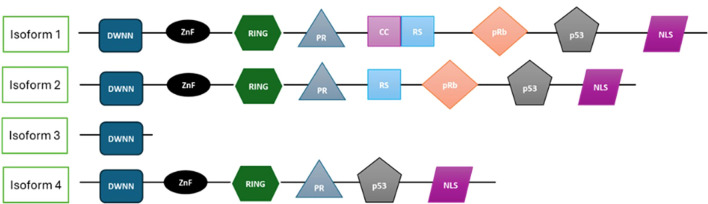
RBBP6, short for retinoblastoma-binding protein 6, is a complex protein involved in several essential cell functions. Studies described in the source material point to roles in cell-cycle control, which is the system that determines when a cell divides, and in RNA processing, the steps cells use to turn genetic instructions into working molecules.
That matters because cancer is, at its core, a disease of broken control systems. If a protein helps regulate growth, survival, and gene expression all at once, then changes in that protein can have outsized effects on whether a normal cell stays normal or becomes malignant.
Its connection to p53 helps explain the interest
One reason scientists pay close attention to RBBP6 is its relationship with p53. p53 is a tumor suppressor, meaning it normally helps stop damaged cells from multiplying and can trigger apoptosis, the programmed self-destruction process cells use when damage is too severe to repair.
The reviewed evidence suggests that RBBP6 can regulate p53 activity, and in some contexts may help reduce p53’s protective effects. That is a big deal in oncology, because weakening p53 can give precancerous or cancerous cells more freedom to survive, accumulate mutations, and resist normal cellular checkpoints.
How RBBP6 may support tumor growth
The source describes RBBP6 as being involved in molecular mechanisms that favor tumor development and progression. When overexpressed, meaning produced at unusually high levels, RBBP6 has been associated with increased proliferation, or rapid cell growth, in several cancer types.
Researchers also link the protein to pathways that affect invasion and survival. In practical terms, that means RBBP6 may not only help tumors grow faster but could also contribute to more aggressive behavior, including the ability of cancer cells to persist under stressful conditions.
Evidence across multiple cancer types
A notable theme in the article is that RBBP6 is not relevant to just one rare malignancy. Instead, altered expression has been reported in a variety of cancers, suggesting that it may play a more general role in tumor biology rather than being a niche finding limited to a single tissue.
That broad pattern is important for two reasons. First, it strengthens the case that RBBP6 is part of a fundamental cancer mechanism. Second, it makes the protein more attractive as a possible biomarker, a measurable biological signal that can help clinicians classify disease, estimate risk, or monitor how a patient responds to therapy.
Clinical implications are starting to come into focus
Beyond the molecular details, the source emphasizes possible clinical uses for RBBP6. If its expression levels track with tumor stage, aggressiveness, or patient outcomes, it could help doctors identify which cancers are likely to behave more dangerously.
There is also interest in whether RBBP6 could predict treatment response. A marker like that would be valuable because oncology increasingly depends on matching therapies to the biology of an individual tumor rather than treating every patient with the same broad approach.
Why targeting RBBP6 is appealing but challenging
From a drug-development perspective, RBBP6 is an intriguing target because it appears to sit upstream of several important cancer processes. Hitting such a node could, in theory, disrupt multiple tumor-promoting programs at once.
But that same central role creates challenges. Proteins involved in many normal cellular functions can be difficult to target safely, since blocking them too broadly may harm healthy tissue as well as cancer cells. That means future therapies will likely need to be highly selective or aimed at specific interactions within the RBBP6 network rather than simply shutting the protein down everywhere.
Why This Matters
Cancer research often advances by identifying molecules that tie together many separate observations, and RBBP6 looks increasingly like one of those connectors. It links basic questions about how cells regulate growth and death with clinical questions about prognosis, diagnosis, and treatment strategy.
For patients, that could eventually translate into better tools for deciding who needs more aggressive care, who may respond to a given therapy, and where new drugs should be aimed. For researchers, RBBP6 offers a useful window into how tumors exploit normal cell machinery to gain an advantage.
What comes next
The next step is turning association into action. Scientists will need to clarify exactly how RBBP6 behaves in different tumor types, which of its interactions matter most, and whether those signals hold up in large patient groups. If that work succeeds, RBBP6 could move from being an interesting molecular player to a clinically meaningful guide for cancer diagnosis and therapy.