Source: University of Rochester, by Lindsey Valich. AI-generated summary by biochip.com, published . Not independently reviewed.
Key takeaways
- A 12-student University of Rochester team built Bio-Spire, a sweat-based biosensor designed to diagnose sepsis instantly.
- Bio-Spire wicks sweat across biomarker-detecting electrodes and won a gold medal in the iGEM competition.
- The project does not establish clinical validation, diagnostic accuracy, or testing in patients.
University of Rochester undergraduates have built Bio-Spire, a sweat-based biosensor designed to diagnose sepsis instantly by tracking disease-linked molecules on the skin. The 12-student team created the device because sepsis can progress rapidly from early symptoms to septic shock, while existing diagnostic tests may take days to return results. Sepsis is a dangerous immune response to infection in which the body can damage its own tissues and organs while trying to fight illness. Bio-Spire collects a small amount of sweat and guides it across electrodes fitted with detectors for sepsis biomarkers, molecules whose concentrations can signal a biological condition. The approach is meant to provide continuous, real-time monitoring without drawing blood. The Rochester team also designed the device around accessible, inexpensive, and environmentally friendly materials, with deployment in low-income countries in mind. Bio-Spire earned the students a gold medal at the International Genetically Engineered Machine competition and nominations for best diagnostics project, best hardware, and best education. The project shows how a wearable sensing platform could turn sweat, an overlooked body fluid, into a fast stream of information about a patient’s condition.
Why sepsis demands speed
About 1.7 million American adults develop sepsis each year. It can begin with an infection, often bacterial, such as a urinary tract infection, a skin infection, or an intestinal infection, though viruses can also trigger the condition. Fever or chills, rapid breathing, vomiting, a fast heart rate, and confusion can all be warning signs.
The urgency comes from how quickly the condition can escalate. The Rochester team noted that early sepsis can turn into septic shock within an hour after symptoms begin, while standard testing approaches can require days. Clinicians need timely information because early treatment can address an infection before it causes severe organ dysfunction.
A sensor that uses sweat
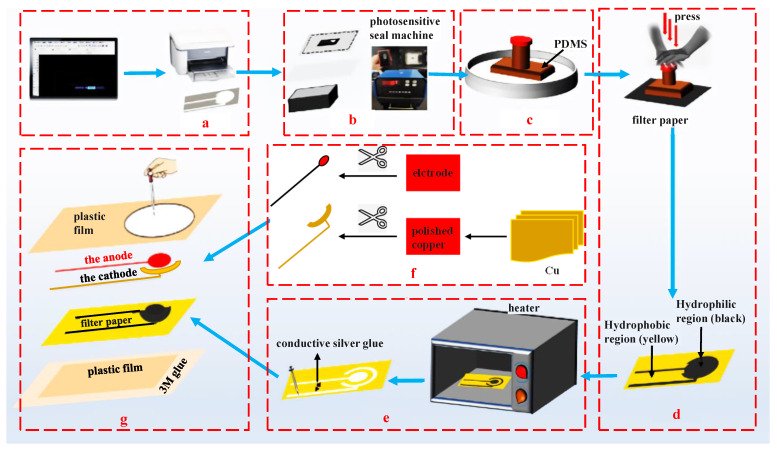
Bio-Spire works a bit like a tiny conveyor belt carrying a message past several readers. It takes a minute quantity of sweat from a patient’s skin and wicks, or draws, that fluid over an integrated set of electrodes. Those electrodes are covered with detectors intended to recognize sepsis biomarkers.
A biomarker is a measurable molecule, such as a protein or sugar, associated with a disease, condition, or biological process. Rather than taking a single reading from a one-time sample, Bio-Spire is designed to continuously monitor changing biomarker levels in sweat. The team chose sweat because it can be collected noninvasively, unlike blood, and because sweat biomarkers can be analyzed continuously.
From blood tests to continuous signals
Doctors already use biomarker concentrations as one part of diagnosing patients. Test strips and lab-on-a-chip systems can measure such molecules, but many provide only a snapshot of a patient’s status at the moment a sample is collected. Some approaches also take hours and can be costly.
That snapshot problem matters when a patient’s condition changes quickly. Amanda Adams, a biomedical engineering major and member of the Rochester iGEM team, said clinicians may have to wait for results, and a reading may no longer reflect a patient’s condition if it develops after collection. Bio-Spire aims to replace isolated measurements with an ongoing signal from the skin.
Building a student-led diagnostic platform
The students developed Bio-Spire through Rochester’s undergraduate iGEM class, launched in 2020. iGEM, short for the International Genetically Engineered Machine competition, brings student teams together to tackle real-world problems with synthetic biology. Synthetic biology involves creating biological parts or systems using materials already found in nature.
The team consulted sepsis survivors, scientists, and clinicians at the University of Rochester Medical Center while designing the device. Anne S. Meyer, an associate professor of biology and an advisor to the team, said the students recognized that sweat contains biomarkers that can indicate whether a patient has sepsis. Their device takes that insight and packages it into a sensing format designed for real-time use.
Recognition at iGEM
The Rochester team presented Bio-Spire at the worldwide iGEM competition held in mid-November. Its entry was nominated for best diagnostics project, best hardware, and best education awards, and it won a gold medal. The result made the Rochester group the second-most-awarded iGEM team in North America.
For Adams, the work connected a technical project to a serious clinical need. She said that research into sepsis statistics and conversations with medical experts highlighted the condition’s medical and economic effects. The students set out to create a biosensor that could provide current information about a patient’s status rather than a delayed result.
Why This Matters
Wearable and skin-mounted sensors are often discussed as tools for tracking everyday health measures, but Bio-Spire targets a much more acute medical problem. Its central idea is simple: use a readily available body fluid to watch for molecular changes as they happen. If a patient can be monitored without repeated blood draws, a sensing system could be less burdensome while providing clinicians with a more current view of biomarker levels.
The project also puts affordability and environmental considerations alongside speed and noninvasive sampling. The team designed Bio-Spire with materials described as accessible, inexpensive, and eco-friendly, and identified low-income countries as a setting where easy deployment could matter. That combination frames diagnostic hardware not only as a laboratory challenge, but also as a question of who can realistically use it.
A signal from the skin
Bio-Spire does not treat sweat as waste or an inconvenience. It treats perspiration as a continuously available sample that can carry molecular clues about what is happening inside the body. By coupling sweat collection with biomarker-detecting electrodes, the Rochester students have built a platform around the need for speed in sepsis care.
The device’s next significance lies in the idea it demonstrates: a patient’s skin can serve as a window for real-time sensing, rather than merely a surface for a one-time test. Bio-Spire gives that idea a concrete form, linking a tiny sweat sample, integrated electrodes, and sepsis biomarkers in a device conceived by undergraduates for a high-stakes diagnostic challenge.
Topics: Biosensors · Diagnostics & precision medicine · Infectious diseases
Start here: Biosensors explained