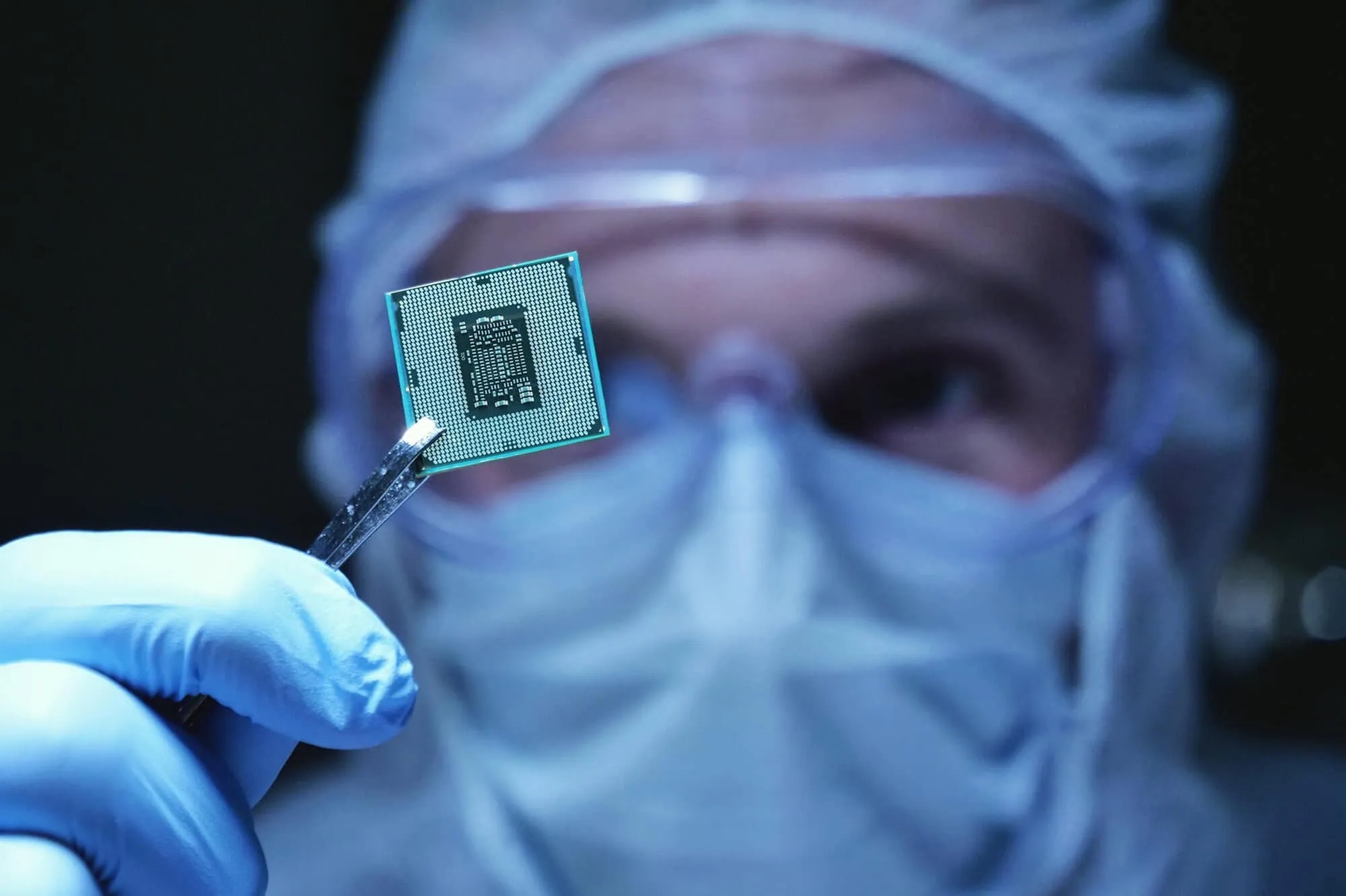
Biochip technology is turning cancer care into something more precise, earlier, and more personal. The basic idea is simple: pack many tiny biological tests onto a small surface, then use that surface to read signals from a patient's cells, proteins, or DNA all at once. In the examples highlighted here, researchers and engineers are using biochips in three very different ways: to spot cancer-linked signals before symptoms appear, to test whether hard-to-kill cancer cells resist drugs, and to release medicine directly near a tumor only when it begins to grow. At Argonne National Laboratory in the US Department of Energy system, scientists have developed biochips designed to detect certain cancer variants by reading a patient's own immune response. In Singapore, the Institute of Bioengineering and Nanotechnology built a miniature platform called the Droplet Array to screen drugs on rare cancer stem cells, a small but stubborn subset of tumor cells that often survives chemotherapy. And in Germany, researchers at the Heinz Nixdorf Chair are working on an implantable biochip that could deliver anti-cancer drugs in timed bursts controlled by electrical impulses. Taken together, these efforts show how one technology can serve as detector, test bed, and treatment device. The promise is not just faster lab work, but cancer care that better matches what each tumor is actually doing inside a patient's body.
How a Biochip Works
You can think of a biochip like a microscopic checkerboard where each square is assigned a specific job. Instead of colored pieces, the chip holds tiny spots, or “dots,” containing antibodies, nucleic acids, or proteins that bind to a matching biological target.
That matters because cancer leaves traces behind. Tumors can shed proteins into the bloodstream, and those proteins can trigger the immune system to make antibodies, creating a record of the disease that a chip may be able to read.
Reading the Body's Early Warning Signals
The Argonne National Laboratory team is using that principle to help diagnose certain cancer variants even before a patient shows symptoms. Rather than looking only for the tumor itself, the approach looks for auto-antibodies, which are antibodies produced by a patient's immune system in response to disease-related proteins.
An everyday analogy is a smoke detector that senses the first traces of smoke before you can see flames. In the same way, these biochips aim to catch subtle immune signals that suggest cancer is present early, when treatment decisions may be less rushed and options may be broader.
Why Patient-Specific Profiles Matter
The Argonne work also points toward a more individualized style of diagnosis. Researchers say a patient's own auto-antibody profile could help doctors choose treatments suited to that person's biology rather than relying only on broad categories of disease.
That does not mean the chip replaces pathology, imaging, or clinical judgment. It means the chip could add another layer of evidence, one built from the patient's immune response, to help distinguish which form of cancer is present and how it might best be treated.
Drug Testing on Rare, Resistant Cancer Cells
In Singapore, the Institute of Bioengineering and Nanotechnology has focused on a different bottleneck: drug resistance. Its miniaturized Droplet Array was developed to detect cancerous cells that resist drugs and to support drug screening using very limited samples.
The hard target here is the cancer stem cell, often shortened to CSC. These cells are a small fraction of the tumor population, described in the source as about 1% of cancer cells, but they are important because they can resist chemotherapy and may help tumors persist or return after treatment.
Why Miniaturization Helps
The Droplet Array is useful because rare cells are difficult to study when sample material is scarce. If you only have a tiny number of cells to work with, a standard large-scale test can waste precious material, while a miniaturized chip can run many experiments in a much smaller space.
A good analogy is tasting a sauce with a spoon instead of pouring out the whole pot. By organizing tiny droplets on a chip, researchers can test how resistant cells respond to candidate drugs while conserving samples that would otherwise be too limited for broad screening.
Implantable Chips for Smarter Drug Release
The third example shifts from diagnosis and testing to treatment itself. Scientists at the Heinz Nixdorf Chair in Germany are developing a biochip that could be implanted near a tumor and release drugs only when the tumor starts to grow.
According to the source, the timing of drug release would be controlled by electrical impulses. That approach suggests a treatment system that acts less like a pill taken on a fixed schedule and more like an automated irrigation system that turns on when sensors detect the soil has dried out.
Potential for Hard-to-Operate Tumors
This kind of local, timed drug delivery could be especially relevant for tumors that cannot be removed surgically. The source specifically notes potential benefit for patients with pancreatic tumors, which are often difficult to treat because of where they form and how late they may be detected.
Delivering medicine near the tumor could, in principle, focus treatment where it is needed most. The source does not provide clinical data, but the concept reflects a broader push in oncology to improve precision not only in diagnosis but also in when and where therapy is delivered.
Why This Matters
These examples show that biochips are not one single tool. They are a flexible platform that can help doctors detect disease earlier, help researchers test drugs on the most difficult cells, and potentially help clinicians treat tumors in a more targeted way.
That flexibility is important because cancer is not one disease and rarely behaves the same way in every patient. Technologies that can capture individual biological signals, work with very small samples, and act directly at the tumor site fit the larger move toward more tailored cancer care.
The work described here is still a snapshot of an evolving field, not a finished clinical playbook. But it shows why biochips keep attracting attention: a single tiny device can compress complex lab tasks into a form that is faster, more sensitive, and potentially more useful at the bedside. As researchers keep refining these platforms, the most meaningful shift may be that cancer care becomes less about one-size-fits-all treatment and more about responding to the specific signals each patient's disease gives off.