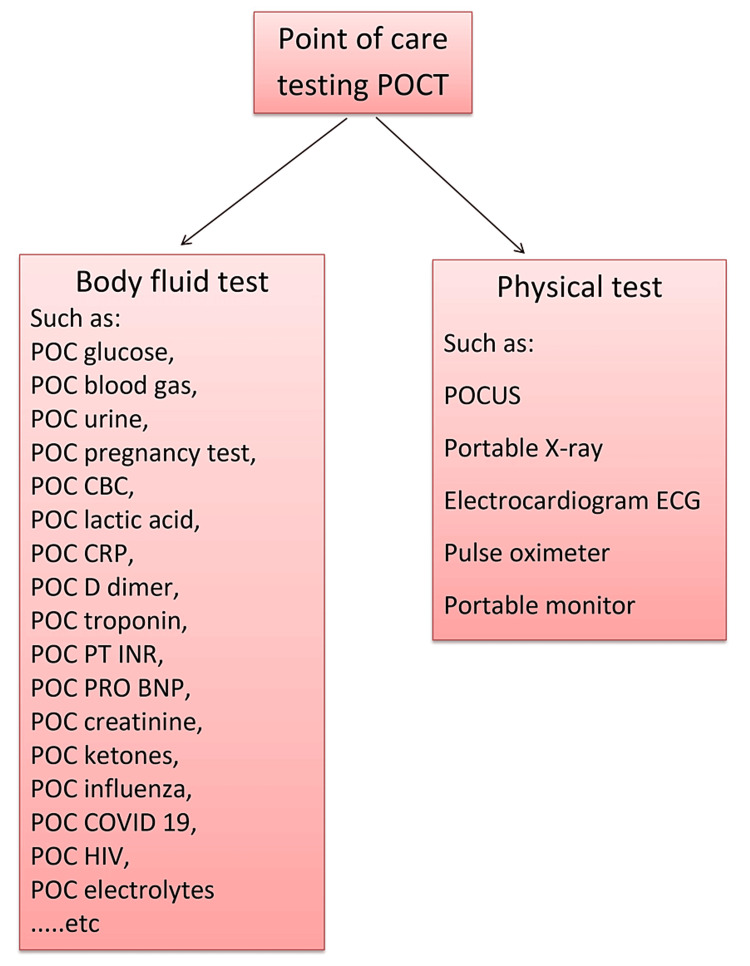
Point-of-care testing, often shortened to POCT, moves diagnostic testing from the central lab to the patient’s side. That simple shift can change the pace of care in emergency rooms, clinics, ambulances, and short-stay units because clinicians can get answers in minutes instead of waiting for samples to travel across a hospital system. The core idea is practical: if a test is simple or non-invasive and can be performed near the patient, it may help doctors triage people faster, start treatment sooner, and avoid delays that add to overcrowding. In acute care settings, where decisions often hinge on time, a shorter turnaround time means less waiting and potentially better early management. It can also help health services sort patients more efficiently, identifying who needs urgent attention and who may be safely discharged or monitored elsewhere. The source material frames POCT as a tool for improving patient flow as much as diagnosis, especially when systems are strained by high demand. In other words, this is not just about a gadget or a lab method; it is about redesigning how care happens when minutes matter most.
What Point-of-Care Testing Actually Means
Think of traditional lab testing like mailing a package to a sorting center and waiting for it to come back with a label attached. Point-of-care testing skips that trip by bringing the test much closer to the person who needs it.
In the source, POCT is defined as a simple or non-invasive diagnostic test performed near the patient rather than in a central laboratory or tertiary hospital. Its key feature is speed: results often arrive within a few minutes, which can support immediate clinical decisions.
Why Speed Matters in Acute Care
Acute care is the part of medicine built for urgent problems, from chest pain to infection to sudden breathing trouble. In these settings, clinicians are constantly making early decisions with incomplete information, so a fast test can act like an early map rather than a final destination.
The source links POCT to early diagnosis, early management, and patient triage. Triage is the process of quickly sorting patients by need and urgency, and it becomes more reliable when staff have rapid data instead of relying only on symptoms and observation.
Reducing Waiting and Overcrowding
Hospital crowding is not only frustrating; it can also affect safety and quality of care. When patients wait a long time for laboratory results, every downstream step slows as well, from treatment decisions to discharge planning to bed availability.
That is where POCT can matter operationally. By cutting turnaround time, it may reduce waiting time, support short-stay care, and help staff move patients through the system more efficiently. The source highlights overcrowding and delays as central problems that faster near-patient testing may help ease.
How POCT Changes the Clinical Workflow
In a conventional model, a sample is collected, labeled, transported, processed, analyzed, and then reported back to the care team. Each of those steps adds time, and each handoff creates another chance for delay.
POCT compresses that chain. Because the test is done near the patient, clinicians can often link the result directly to the next action, whether that means ordering more care, starting treatment, or deciding that a patient can be observed for a shorter period.
Useful in More Than One Setting
Although the source is brief, its emphasis on acute care and health care services suggests a broad role for POCT across settings where rapid decisions matter. Emergency departments are an obvious example, but the same logic applies in outpatient clinics, urgent care centers, and other front-line services.
The appeal is especially strong when the test is simple and non-invasive. Those features lower the practical barriers to use, making it easier for staff to gather information quickly without adding a complicated laboratory process to an already busy clinical environment.
What POCT Is Best At
Point-of-care testing is most useful when the immediate question is narrow and urgent: Does this patient need faster intervention, closer monitoring, or a different care pathway? In that sense, POCT is less like a full encyclopedia and more like a flashlight, helping clinicians illuminate the next decision right away.
The source centers that role around patient triage and early management rather than around replacing all laboratory medicine. That distinction matters because near-patient testing is strongest when speed has direct value for care decisions.
Why This Matters
Health systems often struggle with the same interconnected pressures: too many patients, too few beds, long waits, and the need to make safe decisions quickly. POCT addresses those pressures at a practical level by putting useful diagnostic information into the hands of clinicians faster.
If a result that once took hours can arrive in minutes, the benefit is not only clinical. It can also improve patient flow, reduce bottlenecks, and make health services more responsive during peak demand, especially in acute care areas where delays cascade through the whole system.
What Comes Next
The source presents POCT as a service-improvement strategy as much as a diagnostic category. The next step for health systems is not simply adopting fast tests, but figuring out where they create the most value: at triage, during short-stay assessment, or in early treatment decisions where timing shapes outcomes. As hospitals and clinics continue to look for ways to manage demand without sacrificing care quality, near-patient diagnostics are likely to remain an important part of the conversation. Their promise is straightforward: bring testing closer to the patient, shorten the path to a decision, and make urgent care work a little more smoothly.