Source: BioSpace, written by Annalee Armstrong (October 13, 2026). AI-generated summary by biochip.com, published . Not independently reviewed.
Key takeaways
- DARPA awarded Abram Scientific up to $8.3 million to advance its CoagCare handheld coagulation diagnostic platform for trauma care.
- CoagCare is designed to measure whole-blood clot formation and breakdown in under 10 minutes using a meter and disposable test card.
- CoagCare is not yet cleared by the FDA for marketing in the United States.
Abram Scientific has received a Defense Advanced Research Projects Agency contract worth up to $8.3 million to advance CoagCare, its handheld blood-clotting diagnostic platform for trauma care. The Menlo Park, California, company says the system is designed to assess a patient's coagulation status from a single drop of whole blood in less than 10 minutes. The award supports DARPA's effort to pair shelf-stable blood analogs with rapid diagnostics for military trauma settings. If developed as intended, the platform could bring clotting measurements closer to injured patients in ambulances, medical evacuation helicopters, and remote care locations.
A Portable Test for a Time-Critical Problem
Severe blood loss can quickly deprive tissues of oxygen after traumatic injury. Blood products remain vital tools for treatment, but they require cold storage, have limited shelf lives, and depend on donor availability, creating practical obstacles for military units and civilian first responders operating far from conventional laboratories.
DARPA's Resuscitation and Prevention of Ischemia-Induced Dysfunction, or RAPIID, program aims to address those constraints by developing shelf-stable blood analog components and the diagnostic tools needed to decide when to administer them. Abram Scientific will optimize CoagCare to help adjudicate use of those components under the program.
How CoagCare Is Designed to Work
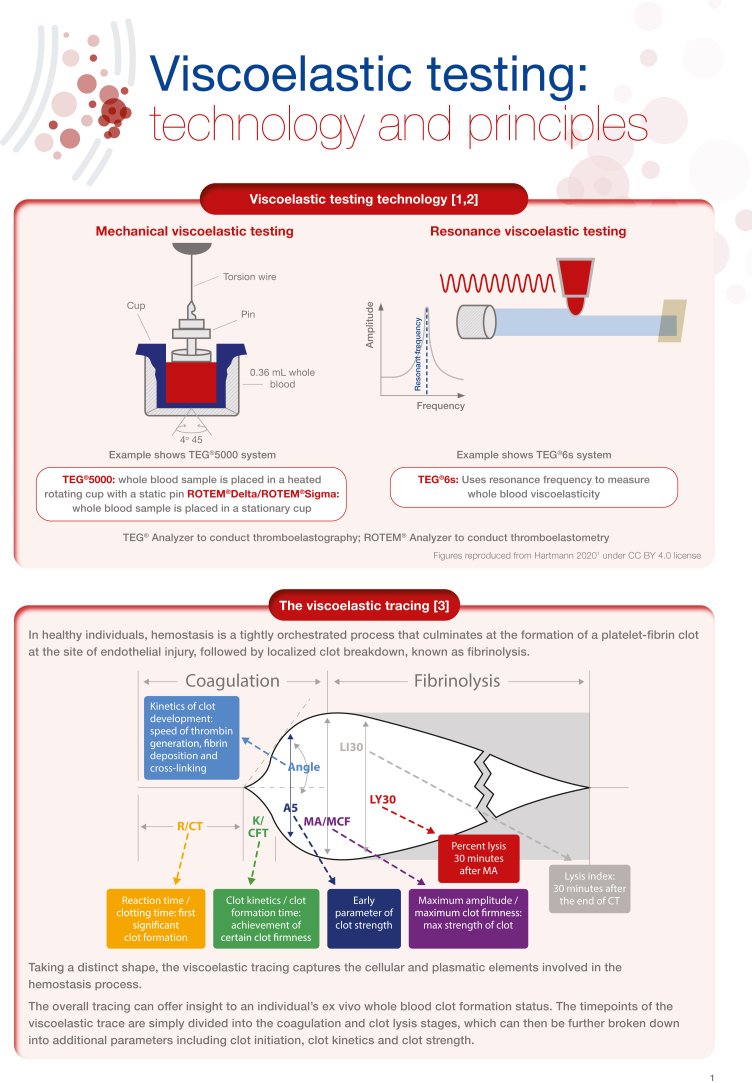
CoagCare combines a compact meter with a disposable test card. Think of it as a small instrument that watches blood change texture over time, much as someone might observe liquid gelatin gradually setting and then breaking down. In technical terms, it measures the viscoelastic properties, or the way blood behaves as both a fluid and a forming clot, along with its density.
The company says the system is designed to track coagulation from initial clot formation through clot breakdown, also called lysis. That full sequence can help clinicians distinguish between abnormal bleeding and excessive clotting, then use that information to guide coagulation management.
Speed and Field Use
Conventional viscoelastic systems, including thromboelastography and thromboelastometry, can take 30 to 60 minutes to complete a measurement. Abram Scientific says CoagCare is designed to deliver a comprehensive coagulation assessment in under 10 minutes from one blood drop.
The platform is also intended to be compact, portable, and resistant to vibration. Those features matter in moving vehicles and austere settings, where a conventional laboratory instrument may be impractical but transfusion decisions still need to be made quickly.
Funding Development and Manufacturing
The new DARPA award follows a separate $2 million DARPA contract received in October 2025 to support miniaturization of the CoagCare system. It also adds to Series A financing led by Octapharma AG in February 2026.
The funding will support manufacturing capabilities for both the meter and disposable test card, as well as a military-focused system design for far-forward settings. The military and civilian configurations are planned to use the same test card, which could provide a common manufacturing platform across applications.
Why This Matters
Trauma clinicians often must make transfusion decisions before they have a complete picture of how a patient's blood is clotting. A rapid, portable test could potentially make individualized coagulation information available where injuries occur rather than only after a patient reaches a hospital laboratory.
CoagCare is not yet cleared by the Food and Drug Administration for marketing in the United States. Abram Scientific plans to use the combined funding to advance development and seek FDA 510(k) clearance for civilian blood-transfusion management during trauma and surgical procedures.
Topics: Diagnostics & precision medicine
Start here: What is a biochip?
Related articles
- Chembio Diagnostic Systems Awarded $5.7 Million to Advance DPP® Biothreat Panel
- Enabling Portable, Rapid Diagnostics at Point-of-Care
- From Population Genomics to Clinical Diagnostics: UNC and Tulane Researchers Advance CRISPR-Based NTM Detection
- Advances in Point-of-Care Infectious Disease Diagnostics: Integration of Technologies, Validation, Artificial Intelligence, and Regulatory Oversight