Source: Australian Institute for Bioengineering and Nanotechnology, University of Queensland (October 8, 2026). AI-generated summary by biochip.com, published . Not independently reviewed.
Key takeaways
- Dr. Richard Lobb's glioblastoma blood test uses the Phenotype Analyzer Chip to read extracellular vesicles in patient blood.
- Lobb and the Mark Hughes Foundation Centre for Brain Cancer Research plan clinical trials to assess treatment-response monitoring.
- The test is planned for clinical trials, so its clinical performance and impact on treatment decisions remain unestablished.
Dr. Richard Lobb has joined the Australian Institute for Bioengineering and Nanotechnology at the University of Queensland to develop blood-based tests for brain cancer and neurological disease. His glioblastoma monitoring test uses the Phenotype Analyzer Chip, a device that reads extracellular vesicles, tiny particles released by cells into the bloodstream. The goal is to give clinicians a more immediate view of whether a patient's treatment is working, rather than waiting for changes to appear on medical imaging. The work could also inform earlier diagnostics for conditions including motor neuron disease, dementia, traumatic brain injury, and Alzheimer's disease.
A Chip for Reading Blood Signals
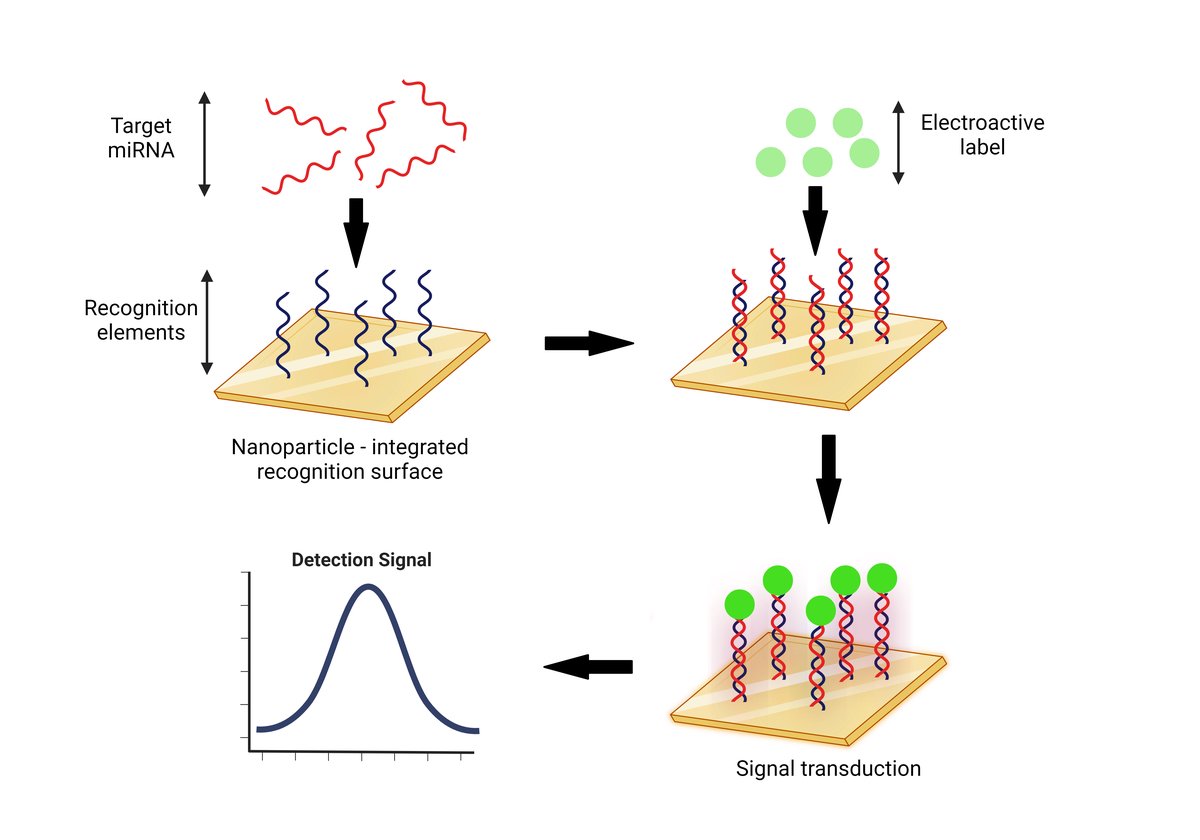
The Phenotype Analyzer Chip was developed in the laboratory of ARC Laureate Professor Matt Trau. It detects extracellular vesicles, often shortened to EVs, which are small membrane-bound particles cells use to send biological signals.
A useful analogy is a stream filled with messages in bottles. The chip is designed to inspect those messages in a blood sample, while the EVs carry molecular clues about the cells that released them. In cancer, EVs can be altered and produce different proteins, creating signals that may help distinguish changes in disease biology.
Monitoring Glioblastoma During Treatment
Lobb has developed a blood test for glioblastoma, the most common form of brain cancer in Australia, to monitor patients as they receive therapy. Glioblastoma is commonly followed with magnetic resonance imaging, or MRI, but Lobb said imaging may reveal disease changes at a stage when it is difficult to adjust treatment effectively.
Working with clinicians, hospitals, patient groups, charitable organizations, and the Mark Hughes Foundation Centre for Brain Cancer Research, Lobb plans to move the test into clinical trials. The intended use is to provide real-time information about whether a patient is responding to therapy or may need a treatment change.
Earlier Clues for Neurological Disease
Lobb's longer-term aim is to create precision molecular readouts for a range of neurological diseases. A molecular readout is a measurable biological signal that could give clinicians actionable information about what is happening in a patient's body.
One unmet need is chronic traumatic encephalopathy, or CTE, a progressive brain disease linked to repeated head impacts. CTE can currently be diagnosed definitively only after death through a post-mortem examination. Lobb sees a need for tests that detect neurological disease before symptoms emerge, when patients and clinicians may have more opportunity to intervene.
From Detection to Targeted Treatment
The group is also interested in the biology of EVs themselves. These particles naturally tend to return to particular cell types, much like a homing pigeon finds its destination by following cues in its environment. EVs use chemical signals to navigate through the bloodstream toward specific tissues.
Lobb's long-term vision is to understand that targeting behavior well enough to engineer therapeutic vesicles. Such vesicles could potentially carry treatment cargo directly to diseased cells, although this work will require industry engagement.
Why This Matters
Brain diseases are difficult to track because important changes can be hidden behind the skull and may not be visible until late in disease progression. A blood-based chip platform that identifies disease-related EV signals could offer a less invasive way to monitor biological changes during treatment.
At AIBN, Lobb will work in a multidisciplinary setting that combines biology, nanotechnology, and medicine. The next practical step for the glioblastoma test is clinical trial evaluation, which will determine how well its blood-based signals can support treatment decisions for patients.
Topics: Brain & neurological health · Cancer
Start here: What is a biochip?