Source: AZoSensors, by Ankit Singh (October 7, 2026). AI-generated summary by biochip.com, published . Not independently reviewed.
Key takeaways
- Immunosensors, genosensors, CRISPR tests, and electrochemical strips can detect plant disease markers before visible crop symptoms.
- An NC State wearable tomato-leaf patch identified tomato spotted wilt virus four days after infection, before typical symptoms at 10 to 14 days.
- Field use remains limited by sensor fouling, weather damage, cost, calibration needs, and non-specific stress signals.
Biosensors are moving plant disease detection from the stage when leaves visibly yellow or wilt to the molecular stage, when infection signals first appear. The technologies include antibody-based sensors for pathogen proteins, genetic tests for DNA or RNA, electrochemical strips, microfluidic chips, and wearable patches that monitor a plant's airborne chemicals. Their appeal is straightforward: earlier warnings could help growers act before disease spreads widely through a crop. But durability, cost, signal reliability, and field-ready standardization remain major barriers.
Why visual diagnosis is often too late
Farmers have long relied on visible clues such as lesions, yellowing leaves, and drooping stems. Those signs can be ambiguous: drought and salty water, for example, may cause wilting that resembles an infection.
Infection begins earlier, as pathogen proteins and genetic material accumulate and the plant changes its chemistry. Polymerase chain reaction, or PCR, and enzyme-linked immunosorbent assay, or ELISA, can identify pathogens accurately, but they often need laboratory equipment, trained staff, and time-consuming sample preparation.
How a biosensor turns biology into a reading
A biosensor works a little like a lock connected to an alarm. Its biological recognition component, called a bioreceptor, is designed to bind a particular target, such as a pathogen protein or a matching DNA sequence.
Antibodies, DNA strands, enzymes, and aptamers can serve as bioreceptors. Aptamers are short synthetic nucleic-acid strands that fold into shapes able to grip specific targets. Once binding occurs, a transducer converts that event into an electrical, optical, or mass-based signal that can be displayed on a device or smartphone.
Protein and genetic tests target the pathogen
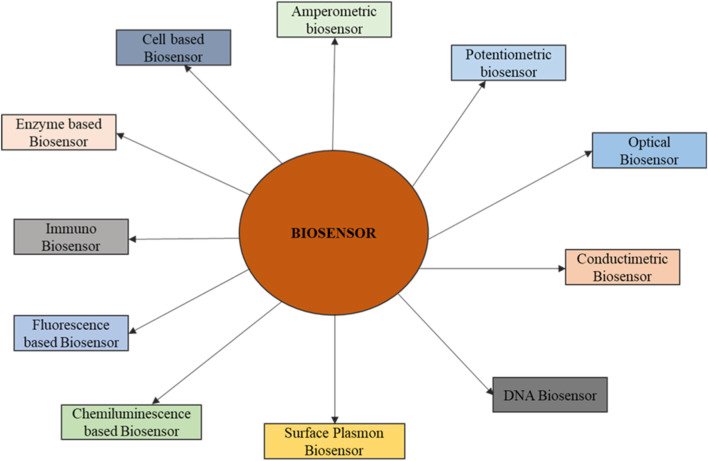
Immunosensors use antibodies fixed to a sensor surface to capture proteins from viruses, bacteria, or fungi. One nanoporous-gold sensor detected tomato brown rugose fruit virus at about 1 fg/mm in leaf and seed extracts, while a Botrytis cinerea immunosensor reported a detection limit 500 times lower than ELISA and returned results in about 30 minutes.
Genosensors instead identify a pathogen through its DNA or RNA. A probe strand on the sensor pairs with a matching pathogen sequence, changing the device's electrical or optical response. That specificity can distinguish strains such as Tropical Race 4, the fungal strain associated with banana wilt.
CRISPR-based tests add another route to genetic detection. Cas12 and Cas13 enzymes recognize target sequences and cut reporter molecules that release a visible signal. A single-step test detected potato virus X, potato virus Y, and tobacco mosaic virus in under 30 minutes using an inexpensive fluorescence viewer.
Portable electrochemical and microfluidic platforms
Many portable designs use electrochemical readouts, which measure changes in current, voltage, or electrical resistance after a target binds. These systems can be compact and inexpensive because they often rely on screen-printed electrodes, disposable strips made with conductive carbon ink.
Microfluidic devices shrink fluid-handling steps onto a small cartridge, much as plumbing is condensed into a tiny channel network. One disposable chip used magnetic beads to capture citrus tristeza virus proteins, and its results agreed with ELISA testing of infected plant samples. Another system detected airborne soybean rust spores in about two minutes.
Wearable patches listen for plant stress
Plants release changing mixtures of volatile organic compounds, or VOCs, when they are stressed or infected. These airborne chemicals can shift within hours to days of infection, and methyl salicylate is one defense-related signal that rises under biological attack.
Researchers at North Carolina State University developed a flexible patch placed on the underside of tomato leaves, where gas-exchanging pores are dense. The patch tracked VOCs, temperature, and humidity, while a machine-learning model identified tomato spotted wilt virus four days after infection. Tomatoes generally develop visible symptoms 10 to 14 days after infection.
VOCs are not pathogen-specific on their own because many stresses can produce overlapping chemical signals. Wearable VOC sensors may therefore work best as an early alarm that directs growers to follow-up testing with a targeted genetic or antibody-based sensor.
Why This Matters
Plant diseases account for nearly one-third of annual global crop losses, with damage valued at about $220 billion each year. Detecting infection before obvious symptoms could allow growers to isolate affected plants, focus confirmatory testing, and potentially intervene when less of the crop is at risk.
Field deployment is still difficult. Plant sap can foul sensor surfaces with sugars, pigments, and phenolics, while heat, humidity, ultraviolet light, and dust can damage antibodies and DNA probes. Future systems will need reliable performance outside the laboratory, comparable reporting standards, affordable consumables, and safeguards for materials such as metal nanoparticles before early molecular diagnosis becomes routine on farms.
Topics: Biosensors · Microfluidics · Food & agriculture · Infectious diseases
Start here: Microfluidics explained
Related articles
- Portable Biosensors Speed Food And Water Contamination Detection
- Companion Diagnostics in Clinical Therapy: Current Applications and Future Directions
- Nanomaterials-enabled point-of-care diagnostics for pathogens
- Ancient Dujiangyan water wisdom inspires AI microfluidic chip to spot hidden sub-resistant bacteria