Source: Science and Technology Daily (September 15, 2026). AI-generated summary by biochip.com, published . Not independently reviewed.
Key takeaways
- Mohamad Sawan joined Westlake University in 2018 and founded its CenBRAIN Neurotech Center of Excellence.
- Sawan's team builds millimeter-scale biochips for wearable and implantable systems targeting seven brain disorders.
- The work does not establish clinical performance, patient testing, regulatory clearance, or commercial availability of the biochip systems.
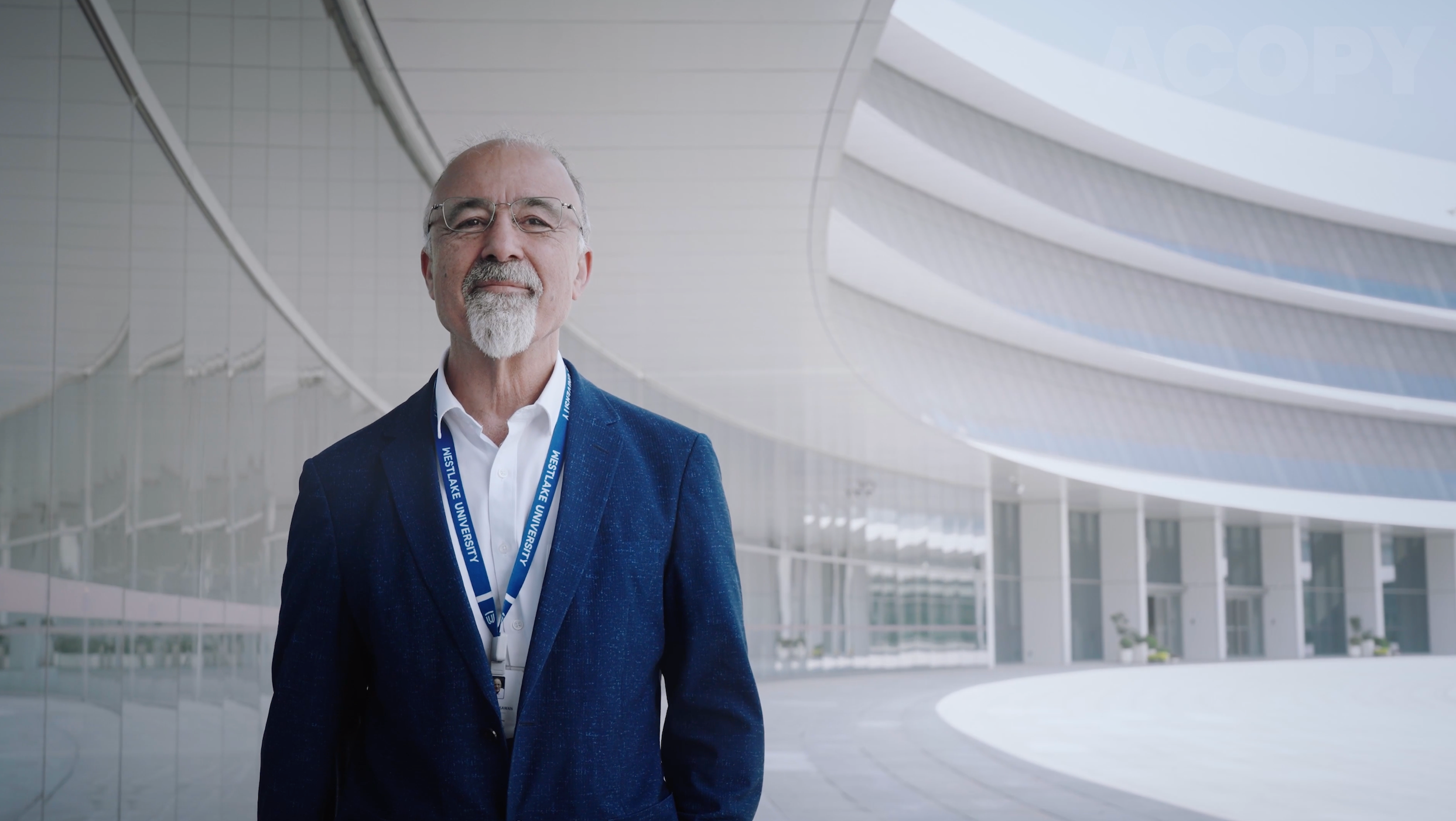
Professor Mohamad Sawan's move from Canada to Westlake University in Hangzhou placed his long-running brain-computer interface research inside a fast-growing Chinese research environment. Since joining the university in 2018 as chair professor of microsystems and bioengineering, he has helped build the CenBRAIN Neurotech Center of Excellence around custom biochips for wearable and implantable neural systems. These chips are designed to record electrical signals from the brain, identify biological markers of disease, analyze the data, and in some cases guide targeted stimulation. Sawan's group is pursuing tools for seven neurological and psychiatric disorders, including stroke, epilepsy, Alzheimer's disease, Parkinson's disease, and depression. The work connects chip engineering with biology, artificial intelligence, and clinical collaboration, fields that must work together if brain signals are to become useful medical information. Sawan says Westlake's interdisciplinary structure and research infrastructure have made it possible to carry ideas from basic science toward engineered devices. His story is also one of migration and institutional growth, as a Lebanese-born, Canada-educated researcher has made China his long-term scientific home. At its center is a practical challenge: turning tiny electronic systems into tools that can detect and potentially intervene in disorders of the brain.
A Career Focused on Brain-Machine Links
A brain-computer interface is a system that translates brain activity into information a machine can use. The simple analogy is a translator listening to a conversation in one language and rendering it into another. In this case, the system detects neural activity, the electrical signaling used by brain cells, and converts patterns in that activity into commands, measurements, or feedback for an electronic device.
For years, Sawan has pursued this idea as an engineering problem rather than a science-fiction premise. He is a fellow of the Royal Society of Canada and the Canadian Academy of Engineering, and he had built an established career in Canada before accepting Westlake University's invitation. He arrived in 2018 as the institution's second foreign professor recruited from abroad and became founding director of the CenBRAIN Neurotech Center of Excellence.
Why Westlake Was the Draw
Sawan had visited China regularly for academic exchanges for more than two decades before relocating. He saw the offer from Westlake as an opportunity to participate directly in China's expanding science and technology effort, particularly in research that combines biology and engineering. That combination is essential for neural devices because no single specialty can solve the full problem.
Westlake University gave the group a setting organized around cross-disciplinary work. Sawan describes the university as having grown rapidly, with more than 287 globally recruited professors, along with PhD students, postdoctoral fellows, undergraduates, and other staff. For a team developing neural technology, access to specialists across fields can shorten the distance between a circuit design, a biological experiment, and a possible clinical partnership.
The Biochip at the Center
The core hardware in Sawan's systems is a custom-built biochip, a device only a few square millimeters in size. Like the control board inside a smartwatch, the chip handles vital tasks in a compact space. But rather than tracking steps or displaying messages, these chips are meant to work with neural signals produced by the brain.
Sawan says the devices can record neural activity, identify biomarkers, and process information with brain-inspired controllers. A biomarker is a measurable biological sign associated with a condition or process, such as a distinctive pattern in a neural recording. Brain-inspired controllers are computing approaches that take cues from how neural systems handle information, with the goal of analyzing complex signals efficiently.
The systems are also intended to provide targeted stimulation. That means an electronic device delivers carefully directed signals to influence neural activity, rather than merely observing it. The group frames this as part of a broader approach to detecting disorders earlier, treating them when possible, and using artificial intelligence, or AI, to predict how disease may progress.
From Signals to Potential Care
Sawan's team is focusing on seven major brain disorders. Its named targets span conditions with very different causes and symptoms, from stroke and epilepsy to Alzheimer's disease, Parkinson's disease, and depression. The common technical task is to find useful information in biological signals and develop systems that can respond in a focused way.
That is difficult because brain signals are noisy, variable, and deeply personal. A useful neural device must separate meaningful patterns from background activity while operating within strict limits on size and power. Wearable devices must remain practical for everyday use, while implantable devices face the additional challenge of operating safely in the body.
Several biochips from the group have received international recognition, alongside publications and awards over the past two years. The team has also used Westlake's model to move toward commercial activity. It has produced three startups, including Neuralicorn, a venture working on language decoding, or interpreting aspects of language from neural activity.
Building a Long-Term Home
In 2023, Sawan became one of the first foreign experts in Zhejiang to receive China's new version of the permanent residency card. He says the status did more than make travel easier, increasing his motivation to integrate into life in China. The personal decision reinforces the institutional commitment behind his research program.
Sawan characterizes his experience through three ideas: equity, determination, and confidence. He sees equity in evaluating talent by achievement rather than gender or nationality. He sees determination in colleagues and students working to build the university, and confidence in an environment that encourages members to pursue ambitious scientific contributions.
Why This Matters
Neural biochips illustrate how a tiny piece of electronics can become the meeting point for medicine, computing, and biology. A successful device must sense subtle physiological activity, process it meaningfully, and sometimes send a precise signal back. That integration is especially important for brain disorders, where conventional measurements may not capture rapid changes in neural function.
Sawan's work also shows why the platform matters as much as the algorithm. AI can analyze data, but it depends on the quality and type of signals a device can collect. Custom chips determine how a wearable or implantable system manages power, handles data, and connects sensing with stimulation.
The next phase for this kind of work will depend on whether compact neural systems can continue moving from laboratory engineering toward durable collaborations with industry and clinical partners. At Westlake, Sawan is betting that an interdisciplinary institution, combined with biochip design, can help make that transition possible.